The History of Halloween Costumes, From Samhain to Store-Bought
Dressing up on October 31 has roots in old Celtic festivals and centuries of door-to-door disguises. Here is how the custom crossed the Atlantic, became trick-or-treating, and turned from homemade masks into store-bought costumes.
Every October, millions of people put on masks, capes and face paint. The history of Halloween costumes runs from old Gaelic festivals through centuries of door-to-door disguises to the mass-produced costumes that filled North American stores in the twentieth century. Historians still debate some of the details, but the broad story is well documented.
Samhain and the end of the harvest
Halloween grew partly out of Samhain, the Gaelic festival marking the end of the harvest and the beginning of winter, celebrated in Ireland, Scotland and the Isle of Man; the Welsh, Cornish and Breton equivalent is Calan Gaeaf. The festival is believed to have pre-Christian roots, and in later centuries it blended with the Christian feasts of All Saints and All Souls. Customs at this time of year included disguises and going from house to house.
Guising and mumming
By around the sixteenth century, people in parts of Britain and Ireland went from house to house in disguise to ask for food, a practice called guising, often together with reciting verses or performing, known as mumming. Disguises could be simple: blackened faces, straw, masks or clothes turned inside out. The idea of a costume as a way to be someone or something else for one night is very old.
Crossing the Atlantic
Immigrants from Scotland and Ireland brought Halloween customs to North America. In nineteenth-century America, Halloween was often marked with parties, pranks and costume parades. The first recorded use of "guising" at Halloween in North America comes from 1911, when a newspaper in Kingston, Ontario, reported children going guising around the neighbourhood.
Trick-or-treating takes off
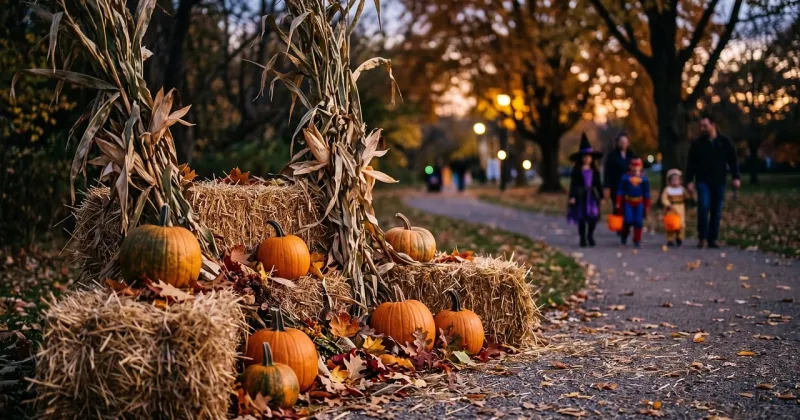
The custom of going door to door for treats, with the threat of a playful trick, appears to have arisen in central Canada and spread into the northern and western United States in the 1930s, then across the rest of the country through the 1940s and early 1950s. As trick-or-treating spread, costumes became something every child needed each year.
From homemade to store-bought
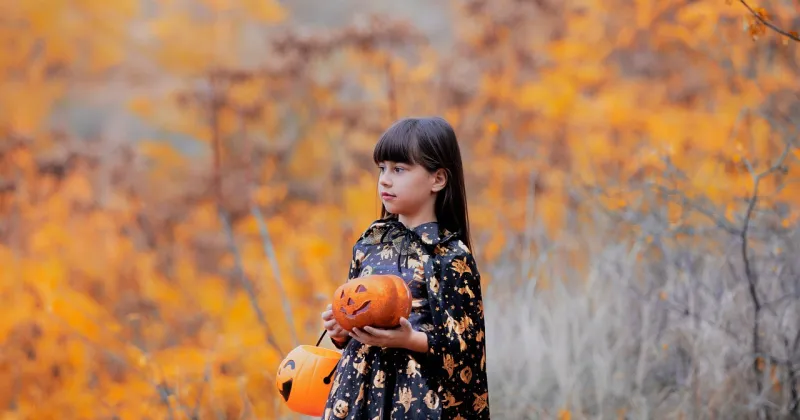
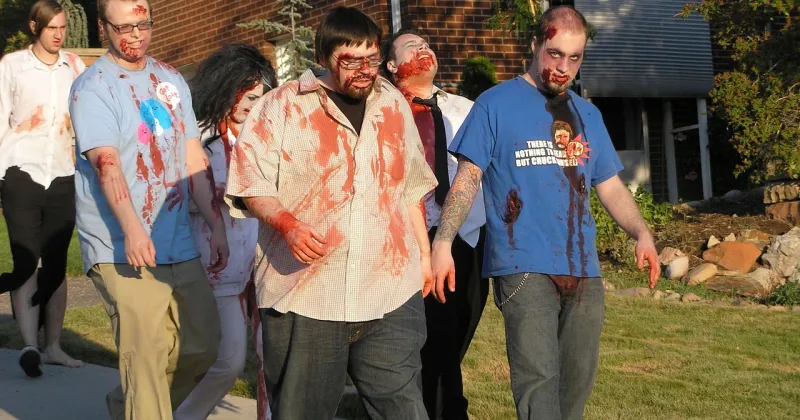
Early costumes were mostly homemade and leaned on the frightening and supernatural: ghosts, witches, skeletons and devils. In the 1930s, companies such as Ben Cooper began mass-producing Halloween costumes for sale in stores. At the same time, costumes based on characters from films, books and radio became popular, a shift that has never reversed: pop culture still drives the most popular costumes every year.
A timeline
| When | What happened |
|---|---|
| Medieval period and earlier | Samhain marks the end of the harvest in Gaelic lands |
| Around the 16th century | Guising and mumming: house-to-house visits in disguise |
| 19th century | Halloween parties, pranks and costume parades in America |
| 1911 | First recorded Halloween guising in North America, in Kingston, Ontario |
| 1930s | Mass-produced costumes in stores; pop-culture characters become popular |
| 1930s–1950s | Trick-or-treating spreads across the United States |
Why we still dress up
Costumes let people play: to be scary, funny, glamorous or someone else entirely for one night. Making your own keeps the oldest part of the tradition alive. Our 25 easy DIY Halloween costumes start with clothes you already own, and our guide to washing a costume wig helps a store-bought piece last for years.
Questions
Why do people wear costumes on Halloween?
The custom grew from old traditions of disguising, such as guising in Scotland and Ireland, and became part of trick-or-treating in North America.
When did store-bought Halloween costumes start?
Companies began mass-producing Halloween costumes in the 1930s, as trick-or-treating spread.
What were the first Halloween costumes?
Mostly homemade disguises of frightening or supernatural figures, such as ghosts, witches and skeletons.
Where did trick-or-treating start?
It appears to have arisen in central Canada and spread across the United States between the 1930s and the early 1950s.